2025年5月12日星期一

2025年3月1日星期六
2024年12月16日星期一
2023年9月17日星期日
2019年12月1日星期日
Thailand Considers Double Visa, 24-Hr Nong Khai Checkpoint
Thailand Considers Double Visa, 24-Hr Nong Khai Checkpoint
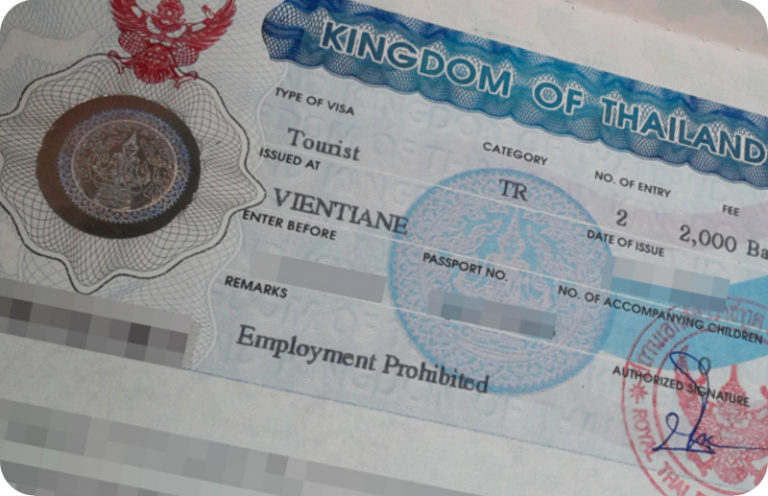
According to reports in the Thai media, the Kingdom of Thailand is set to introduce a double visa, allowing visitors to exit the country and re-enter, and may open the Nong Khai checkpoint 24-hours.
The news comes after Thailand began enforcing strict new visa policies in 2016, allowing foreigners of many nations only two entries by land per year.
The 2016 policy change deeply affected expatriates living in Laos, many of whom had previously traveled to Thailand for leisure or for medical reasons on a weekly or daily basis.
A report in The Thaiger today quotes Deputy Secretary-General to the Thai PM, Kobsak Pootrakul, as saying a double-entry tourism visa will be introduced. The new visa will allow visitors to enter, leave, and then re-enter Thailand during their stay in the Kingdom.
According to other reports, Mr. Kobsak has even said that a multiple entry visa may be considered in the future.
Thailand hopes to bring 42 million visitors to Thailand in 2020, after various factors, including an ultra-strong baht, have slowed tourism in the land of smiles.
The new double visa could help the country see more visits from expatriates in neighboring countries, including Laos, and entice tourists to re-enter Thailand after visiting other countries.
24-Hour Visa Checkpoint at Nong Khai
Reports from Thai media are also stating that the border checkpoint at Nong Khai could be set to open 24-hours.
The new hours would be trialed for three months, and if successful would continue. So far, no official statement has been made by Lao authorities in regard to 24-hour operations at the border.
~Laotian Times~
According to reports in the Thai media, the Kingdom of Thailand is set to introduce a double visa, allowing visitors to exit the country and re-enter, and may open the Nong Khai checkpoint 24-hours.
The news comes after Thailand began enforcing strict new visa policies in 2016, allowing foreigners of many nations only two entries by land per year.
The 2016 policy change deeply affected expatriates living in Laos, many of whom had previously traveled to Thailand for leisure or for medical reasons on a weekly or daily basis.
A report in The Thaiger today quotes Deputy Secretary-General to the Thai PM, Kobsak Pootrakul, as saying a double-entry tourism visa will be introduced. The new visa will allow visitors to enter, leave, and then re-enter Thailand during their stay in the Kingdom.
According to other reports, Mr. Kobsak has even said that a multiple entry visa may be considered in the future.
Thailand hopes to bring 42 million visitors to Thailand in 2020, after various factors, including an ultra-strong baht, have slowed tourism in the land of smiles.
The new double visa could help the country see more visits from expatriates in neighboring countries, including Laos, and entice tourists to re-enter Thailand after visiting other countries.
24-Hour Visa Checkpoint at Nong Khai
Reports from Thai media are also stating that the border checkpoint at Nong Khai could be set to open 24-hours.
The new hours would be trialed for three months, and if successful would continue. So far, no official statement has been made by Lao authorities in regard to 24-hour operations at the border.
~Laotian Times~
2019年8月22日星期四
大兴土木合建中老高速公路
大兴土木合建中老高速公路

老挝与中国合作开发的高速公路项目正在动工兴建,承包商中国云南省建设投资控股集团希望该项目对加强中国与老挝在经济、贸易、文化、教育和卫生领域的交流合作,推动老挝北部和中部地区农业、工业、商业、投资和旅游业的发展。
图为在老挝万象航拍的建设中的万象至万荣段,全长109.1公里,总投资约89亿元人民币(约17.4亿新元)。一旦建成,从万象到万荣开车仅需1.5小时,较现在缩短2.5小时。(新华社)
老挝与中国合作开发的高速公路项目正在动工兴建,承包商中国云南省建设投资控股集团希望该项目对加强中国与老挝在经济、贸易、文化、教育和卫生领域的交流合作,推动老挝北部和中部地区农业、工业、商业、投资和旅游业的发展。
图为在老挝万象航拍的建设中的万象至万荣段,全长109.1公里,总投资约89亿元人民币(约17.4亿新元)。一旦建成,从万象到万荣开车仅需1.5小时,较现在缩短2.5小时。(新华社)
2019年4月10日星期三

2019年2月17日星期日

2019年1月28日星期一
Scoot to launch direct Singapore-Laos flight
Scoot to launch direct Singapore-Laos flight
VIENTIANE (Vientiane Times/ANN) - The budget arm of Singapore Airlines, Scoot, is ready to launch Singapore-Laos flights in April with tickets starting at US$88, it announced yesterday.
Scoot will fly from Singapore to Vientiane to Luang Prabang on a circular route. It will depart from Singapore for Luang Prabang, followed by Vientiane, before heading back to Singapore, according to The Straits Times, the leading newspaper of Singapore.
These routes were transferred from its sister airline SilkAir with Scoot’s A320 aircraft.
Luang Prabang and Vientiane are the first two of the several new destinations the low-cost carrier will be adding to its network this year.
With the addition of Laos, Scoot’s network will span 68 destinations across 19 countries and territories.
Three weekly flights will connect to Laos from Singapore departing 9am on Monday, Thursday and Saturday, arriving at Luang Prabang at 11.10 am and then on to Vientiane by 1pm.
The return flight departs Vientiane at 1.50pm, arriving back into Singapore at 6pm (all local times).
Scoot’s Laos sale includes one-way fares from US$$189 departing Perth, US$199 from the Gold Coast, and US$209 from Sydney and Melbourne.
Fares do not include excess baggage or meals and all flights have a stopover in Singapore.
The limited period promotion tickets are available on Scoot’s website from now until January 22.
SilkAir launched a service to Vientiane and Luang Prabang in October 2016. It has since stopped the service after poor passenger figures between October 2017 and February last year, according to Channel News Asia.
Lao Airlines also stopped direct Laos-Singapore flights from March 25 due to operational reasons and, as of now, has no plans to resume the flights.
This is the second time that direct flights between the two countries were halted, after Lao Airlines relaunched a Singapore-Laos flight in October 2017.
VIENTIANE (Vientiane Times/ANN) - The budget arm of Singapore Airlines, Scoot, is ready to launch Singapore-Laos flights in April with tickets starting at US$88, it announced yesterday.
Scoot will fly from Singapore to Vientiane to Luang Prabang on a circular route. It will depart from Singapore for Luang Prabang, followed by Vientiane, before heading back to Singapore, according to The Straits Times, the leading newspaper of Singapore.
These routes were transferred from its sister airline SilkAir with Scoot’s A320 aircraft.
Luang Prabang and Vientiane are the first two of the several new destinations the low-cost carrier will be adding to its network this year.
With the addition of Laos, Scoot’s network will span 68 destinations across 19 countries and territories.
Three weekly flights will connect to Laos from Singapore departing 9am on Monday, Thursday and Saturday, arriving at Luang Prabang at 11.10 am and then on to Vientiane by 1pm.
The return flight departs Vientiane at 1.50pm, arriving back into Singapore at 6pm (all local times).
Scoot’s Laos sale includes one-way fares from US$$189 departing Perth, US$199 from the Gold Coast, and US$209 from Sydney and Melbourne.
Fares do not include excess baggage or meals and all flights have a stopover in Singapore.
The limited period promotion tickets are available on Scoot’s website from now until January 22.
SilkAir launched a service to Vientiane and Luang Prabang in October 2016. It has since stopped the service after poor passenger figures between October 2017 and February last year, according to Channel News Asia.
Lao Airlines also stopped direct Laos-Singapore flights from March 25 due to operational reasons and, as of now, has no plans to resume the flights.
This is the second time that direct flights between the two countries were halted, after Lao Airlines relaunched a Singapore-Laos flight in October 2017.
Khammuan’s Tha Falang creating social media buzz
Khammuan’s Tha Falang creating social media buzz among visitors

KHAMMUAN (Vientiane Times/ANN) - The new Tha Falang development in Khammuan province is receiving lots of interest from domestic and international visitors after numerous pictures of the beautiful site have been shared on social media.
Located on the Nam Don river in Thakhaek district, the site opened last month ahead of this year’s scheduled commencement.
KK Transport and Service Company was authorised by Khammuan province to develop the site, which is located between Thock-Nayor and Songkhone villages.
A Memorandum of Understanding for the project was signed between the provincial Planning and Investment Department and the company in May last year. Company CEO Mr Khambee Lattanavong told Vientiane Times yesterday that Tha Falang was officially opened on December 8 after the company completed some facilities ahead of schedule.
“The facilities are designed to attract Europeans followed by Thai visitors,” he said.
The planned development sees the construction of 20 bungalows near the riverbank and 30 further inland as well as the provision of 100 kayaks for rent. The kayaks can be paddled over a 5km section of the river with motorboats also to be provided along with restaurants, a market, and other facilities.
Mr Khambee said the company was currently operating only some of the activities including 20 picnic huts near the riverbank, rental kayaks, a restaurant, and retail outlet.
He expected to build 20 more huts, and the bungalows will be completed in the next two months.
Kayaks cost 69,000 kip per person to rent or 85,000 kip for two people and 99,000 kip for three. Tubing rental is 20,000 kip and 50,000 kip for hut rental, while entrance and toilets are free of charge.
Tha Falang is currently attracting 100-150 visitors each weekday peaking at 300 on Saturdays and Sundays. Prior to the development, the site attracted only 50-60 people a day for swimming. Most of the visitors so far are Lao and Thai.
Tha Falang is 10 km from the centre of Thakhaek district. Khammuan is located in central Laos and borders Borikhamxay and Savannakhet provinces. Travel by private vehicle to the province takes 4-5 hours from Vientiane.

KHAMMUAN (Vientiane Times/ANN) - The new Tha Falang development in Khammuan province is receiving lots of interest from domestic and international visitors after numerous pictures of the beautiful site have been shared on social media.
Located on the Nam Don river in Thakhaek district, the site opened last month ahead of this year’s scheduled commencement.
KK Transport and Service Company was authorised by Khammuan province to develop the site, which is located between Thock-Nayor and Songkhone villages.
A Memorandum of Understanding for the project was signed between the provincial Planning and Investment Department and the company in May last year. Company CEO Mr Khambee Lattanavong told Vientiane Times yesterday that Tha Falang was officially opened on December 8 after the company completed some facilities ahead of schedule.
“The facilities are designed to attract Europeans followed by Thai visitors,” he said.
The planned development sees the construction of 20 bungalows near the riverbank and 30 further inland as well as the provision of 100 kayaks for rent. The kayaks can be paddled over a 5km section of the river with motorboats also to be provided along with restaurants, a market, and other facilities.
Mr Khambee said the company was currently operating only some of the activities including 20 picnic huts near the riverbank, rental kayaks, a restaurant, and retail outlet.
He expected to build 20 more huts, and the bungalows will be completed in the next two months.
Kayaks cost 69,000 kip per person to rent or 85,000 kip for two people and 99,000 kip for three. Tubing rental is 20,000 kip and 50,000 kip for hut rental, while entrance and toilets are free of charge.
Tha Falang is currently attracting 100-150 visitors each weekday peaking at 300 on Saturdays and Sundays. Prior to the development, the site attracted only 50-60 people a day for swimming. Most of the visitors so far are Lao and Thai.
Tha Falang is 10 km from the centre of Thakhaek district. Khammuan is located in central Laos and borders Borikhamxay and Savannakhet provinces. Travel by private vehicle to the province takes 4-5 hours from Vientiane.
2018年1月14日星期日
Airport bus service to start next week
Airport bus service to start next week
A new shuttle bus service, operating between Wattay International Airport and the Talat Sao Mall central bus station using vehicles donated by Kyoto City Bus, will begin on January 18.
Deputy Manager of the Vientiane City 2 Bus Service, Mr Sithiphon Chanthavong, said yesterday that shuttle buses will run daily from 9am until 10pm, following a trial run on Monday.
Buses will leave every 40 minutes from the airport and central bus station with passengers charged 15,000 kip for a one way trip.
The airport run is currently only serviced by taxis which charge passengers about 58,000 kip (US$7) to destinations in the city centre.
“The shuttle bus will set down at 16 bus stops from the airport along Souphanouvong Road, past the Presidential Palace and en route to the Talat Sao Mall central bus station,” Mr Sithiphon said.
Passengers will soon be able to download an app on Android smartphones to hire a taxi and check on bus routes and timetables after it is officially launched next week, he added.
The Vientiane City 2 Bus Service recently launched the Talat Sao Mall to Lao-ITECC route to encourage more people to use public transport and reduce traffic congestion in the city centre.
Passengers can catch a ride between Lao-ITECC and Talat Sao, with 18 stops in between, for just 4,000 kip one way.
Kyoto City Government donated 34 buses to the Vientiane Public Works and Transport Department at a ceremony held on November 29, 2016, at Kyoto City Hall Plaza in Nakagyo Ward, Kyoto, Japan.
The State Bus Enterprise reported recently that the number of passengers using public transport in urban areas rose by about 20 percent last year.
The public bus station in Vientiane handles 129 buses including 42 new Japanese buses, which is sufficient to cover the main routes through the city.
The enterprise is now installing new bus stops across the capital where buses will only set down and pick up passengers to prevent random hail and ride pickups which add to traffic congestion.
~News courtesy of Vientiane Times~
A new shuttle bus service, operating between Wattay International Airport and the Talat Sao Mall central bus station using vehicles donated by Kyoto City Bus, will begin on January 18.
Deputy Manager of the Vientiane City 2 Bus Service, Mr Sithiphon Chanthavong, said yesterday that shuttle buses will run daily from 9am until 10pm, following a trial run on Monday.
Buses will leave every 40 minutes from the airport and central bus station with passengers charged 15,000 kip for a one way trip.
The airport run is currently only serviced by taxis which charge passengers about 58,000 kip (US$7) to destinations in the city centre.
“The shuttle bus will set down at 16 bus stops from the airport along Souphanouvong Road, past the Presidential Palace and en route to the Talat Sao Mall central bus station,” Mr Sithiphon said.
Passengers will soon be able to download an app on Android smartphones to hire a taxi and check on bus routes and timetables after it is officially launched next week, he added.
The Vientiane City 2 Bus Service recently launched the Talat Sao Mall to Lao-ITECC route to encourage more people to use public transport and reduce traffic congestion in the city centre.
Passengers can catch a ride between Lao-ITECC and Talat Sao, with 18 stops in between, for just 4,000 kip one way.
Kyoto City Government donated 34 buses to the Vientiane Public Works and Transport Department at a ceremony held on November 29, 2016, at Kyoto City Hall Plaza in Nakagyo Ward, Kyoto, Japan.
The State Bus Enterprise reported recently that the number of passengers using public transport in urban areas rose by about 20 percent last year.
The public bus station in Vientiane handles 129 buses including 42 new Japanese buses, which is sufficient to cover the main routes through the city.
The enterprise is now installing new bus stops across the capital where buses will only set down and pick up passengers to prevent random hail and ride pickups which add to traffic congestion.
~News courtesy of Vientiane Times~
2017年9月19日星期二
Top 5 things to do in Luang Prabang, Laos
Top 5 things to do in Luang Prabang, Laos
In between Vietnam and Thailand, Laos is lesser-known and lesser-discovered, but no less interesting than its pair of famous neighbours.
As a long thin country that also touches China to the north and Cambodia to the south, the landscape varies wildly; from thickly-forested areas to more tropical surrounds with plunging waterfalls and thousands of islands.

No trip to this country would be complete without a couple of days in former royal capital, Luang Prabang, so beautifully preserved that it became a UNESCO World Heritage Site in 1995.
Make sure you’re camera-ready as you take it all in; there’s a photo opportunity around every magical corner. Gilded temples with sloping roofs gleam in the sunshine, faded French colonial villas line the streets, and the rolling mountains and the Mekong and Nam Khan rivers lay just beyond the town.
Everything ticks over at a leisurely pace, substituting the frenetic energy of nearby countries for a laid-back calm.
Most visitors only spare two or three days here, so it’s important to have a plan. There are more than a few ways to make the best of it.
1. Take an architecture tour
With a combination of traditional Buddhist temples (bathed in gold leaf), traditional stilted houses, and French colonial architecture around every corner, a trip to Luang Prabang is an architecture tour in itself.
But team up with an expert to get the stories behind these fascinating streets, and track the evolution of the town; from its ancient conception, through the colonial and royal eras, and right up to the present day.

2. Take a cycling tour
Why not see the sights atop two wheels? A bike gives you the freedom (and time) to see the best of the town, venture into the countryside and feel the wind in your hair – often a welcome treat in the humid months.

Wheel from place to place; the Wat Visoun, National Museum (previously the Royal Palace), the Wat Mai Temple and Wat Xieng Thong are all worth a visit.
Then leave the town behind to see the landscape just outside. Hop down to potter around the Phosy Market and see great pails with mountains of rice, a rainbow of fresh fruit and vegetables on offer, and bottles of fresh fruit juice to fuel your onward journey.
Visit non-profit organisations, chat to local villagers and peer over the waters of the Mekong. Certainly more than you could manage on foot.
3. Celebrate Songkran
To see an especially authentic side to Luang Prabang, visit in April during Songkran (Pi Mai Lao), Lao New Year. Celebrations take place across the country, with a lot of water-based events.
It’s a special time when the community, along with swathes of orange-robed monks, come together. The most important Buddha statues are carried through the streets, and Buddha images, temples and houses are washed down.
As are people! Find yourself doused in an enthusiastic water fight, or even the recipient of a bucket of water over your head – a good-humoured way of saying Happy New Year.
4. Take a cookery class
Lao cuisine is an unknown entity to many outsiders. It’s actually quite similar to some dishes in northeastern Thailand, and incorporates lots of fresh produce.
Any cookery class in Luang Prabang is likely to begin with a trip to the market to personally pick out your ingredients, and learn about a few of the area’s more unusual herbs, fruits and vegetables.
Work with skilled local chefs, discover the authentic methods that go into this delicious cuisine, and take your new found cookery skills home with you.

5. Walk to the top of Mount Phousi at sunrise or sunset
For panoramic views of the town and the lush areas in the distance, pay an nominal fee and take a gentle climb up the steps to Mount Phousi.
Spot the meandering Nam Kham and Mekong rivers, as well as the undulating horizon. You can rest your feet at one of the interesting temples or outside a Buddha statue along the way, but at only 100km high, it’s not a strenuous ascent. Plan your trip at sunrise or sunset when the views are at their most beautiful.

~Courtesy of a luxury travel blog~
In between Vietnam and Thailand, Laos is lesser-known and lesser-discovered, but no less interesting than its pair of famous neighbours.
As a long thin country that also touches China to the north and Cambodia to the south, the landscape varies wildly; from thickly-forested areas to more tropical surrounds with plunging waterfalls and thousands of islands.

No trip to this country would be complete without a couple of days in former royal capital, Luang Prabang, so beautifully preserved that it became a UNESCO World Heritage Site in 1995.
Make sure you’re camera-ready as you take it all in; there’s a photo opportunity around every magical corner. Gilded temples with sloping roofs gleam in the sunshine, faded French colonial villas line the streets, and the rolling mountains and the Mekong and Nam Khan rivers lay just beyond the town.
Everything ticks over at a leisurely pace, substituting the frenetic energy of nearby countries for a laid-back calm.
Most visitors only spare two or three days here, so it’s important to have a plan. There are more than a few ways to make the best of it.
1. Take an architecture tour
With a combination of traditional Buddhist temples (bathed in gold leaf), traditional stilted houses, and French colonial architecture around every corner, a trip to Luang Prabang is an architecture tour in itself.
But team up with an expert to get the stories behind these fascinating streets, and track the evolution of the town; from its ancient conception, through the colonial and royal eras, and right up to the present day.

2. Take a cycling tour
Why not see the sights atop two wheels? A bike gives you the freedom (and time) to see the best of the town, venture into the countryside and feel the wind in your hair – often a welcome treat in the humid months.

Wheel from place to place; the Wat Visoun, National Museum (previously the Royal Palace), the Wat Mai Temple and Wat Xieng Thong are all worth a visit.
Then leave the town behind to see the landscape just outside. Hop down to potter around the Phosy Market and see great pails with mountains of rice, a rainbow of fresh fruit and vegetables on offer, and bottles of fresh fruit juice to fuel your onward journey.
Visit non-profit organisations, chat to local villagers and peer over the waters of the Mekong. Certainly more than you could manage on foot.
3. Celebrate Songkran
To see an especially authentic side to Luang Prabang, visit in April during Songkran (Pi Mai Lao), Lao New Year. Celebrations take place across the country, with a lot of water-based events.
It’s a special time when the community, along with swathes of orange-robed monks, come together. The most important Buddha statues are carried through the streets, and Buddha images, temples and houses are washed down.
As are people! Find yourself doused in an enthusiastic water fight, or even the recipient of a bucket of water over your head – a good-humoured way of saying Happy New Year.
4. Take a cookery class
Lao cuisine is an unknown entity to many outsiders. It’s actually quite similar to some dishes in northeastern Thailand, and incorporates lots of fresh produce.
Any cookery class in Luang Prabang is likely to begin with a trip to the market to personally pick out your ingredients, and learn about a few of the area’s more unusual herbs, fruits and vegetables.
Work with skilled local chefs, discover the authentic methods that go into this delicious cuisine, and take your new found cookery skills home with you.

5. Walk to the top of Mount Phousi at sunrise or sunset
For panoramic views of the town and the lush areas in the distance, pay an nominal fee and take a gentle climb up the steps to Mount Phousi.
Spot the meandering Nam Kham and Mekong rivers, as well as the undulating horizon. You can rest your feet at one of the interesting temples or outside a Buddha statue along the way, but at only 100km high, it’s not a strenuous ascent. Plan your trip at sunrise or sunset when the views are at their most beautiful.

~Courtesy of a luxury travel blog~


2016年10月16日星期日
Start collecting VAT at customs in November
Laos to start collecting VAT at customs in November
The Customs Department under Laos' Ministry of Finance will begin collecting Valued Added Tax (VAT) payments in November.
The tax will be collected at the first Thai-Lao Friendship Bridge between Thailand's Nong Khai province and Laos' capital Vientiane followed by the other international border crossings, Bounpaseuth Sikounlabout, acting Director General of the Customs Department was quoted by local Vientiane Times on Sunday.
Earlier, the Ministry of Finance had issued a Provision on the Levy of 10 percent VAT of Passengers' Personal Effects, which stipulates that Lao citizens or expat passengers living in Laos upon entry through border checkpoints including international airports shall pay 10 percent value VAT on their (new or used) personal effects.
The levy of VAT is exempted for infrequent passengers who travel less than twice a month on items costing less than 50 U.S. dollars.
Frequent passengers to Laos are not exempted from VAT and will be charged accordingly.
Passengers entering Laos shall fill in a Customs Declaration Form for Personal Effects and submit it to customs officials upon their entry into the country.
In cases when the personal effects are new, the passenger shall attach a purchase receipt to ease and hasten the calculation of VAT.
If passengers do not have all receipts or eligible documents, or have no documents, the customs officials will have the right to evaluate items according to present circumstances to calculate VAT, reported Vientiane Times.
While the government is not expecting large sums from the VAT collections, it will help to improve revenue collection in the country and assist Laos adjust to international integration, said the report.
~News courtesy of Xinhua~
The Customs Department under Laos' Ministry of Finance will begin collecting Valued Added Tax (VAT) payments in November.
The tax will be collected at the first Thai-Lao Friendship Bridge between Thailand's Nong Khai province and Laos' capital Vientiane followed by the other international border crossings, Bounpaseuth Sikounlabout, acting Director General of the Customs Department was quoted by local Vientiane Times on Sunday.
Earlier, the Ministry of Finance had issued a Provision on the Levy of 10 percent VAT of Passengers' Personal Effects, which stipulates that Lao citizens or expat passengers living in Laos upon entry through border checkpoints including international airports shall pay 10 percent value VAT on their (new or used) personal effects.
The levy of VAT is exempted for infrequent passengers who travel less than twice a month on items costing less than 50 U.S. dollars.
Frequent passengers to Laos are not exempted from VAT and will be charged accordingly.
Passengers entering Laos shall fill in a Customs Declaration Form for Personal Effects and submit it to customs officials upon their entry into the country.
In cases when the personal effects are new, the passenger shall attach a purchase receipt to ease and hasten the calculation of VAT.
If passengers do not have all receipts or eligible documents, or have no documents, the customs officials will have the right to evaluate items according to present circumstances to calculate VAT, reported Vientiane Times.
While the government is not expecting large sums from the VAT collections, it will help to improve revenue collection in the country and assist Laos adjust to international integration, said the report.
~News courtesy of Xinhua~
2014年6月7日星期六
Provinces of Laos
1. ອັດຕະປື Attapeu
2. ບໍ່ແກ້ວ Bokeo
3. ບໍລິຄຳໄຊ Bolikhamsai
4. ຈຳປາສັກ Champasak
5. ຫົວພັນ Houaphanh
6. ຄໍາມ່ວນ Khammouane
7. ຫຼວງນ້ຳທາ Luang Namtha
8. ຫຼວງພະບາງ Luang Prabang
9. ອຸດົມໄຊ Udomxai
10. ຜົ້ງສາລີ Phongsali
11. ໄຊຍະບູລີ Sainyabuli
12. ສາລະວັນ Salavan
13. ສະຫວັນນະເຂດ Savannakhet
14. ເຊກອງ Sekong
15. ນະຄອນຫຼວງວຽງຈັນ Vientiane Capital
16. ວຽງຈັນ Vientiane
17. ຊຽງຂວາງ Xieng Khoang

2. ບໍ່ແກ້ວ Bokeo
3. ບໍລິຄຳໄຊ Bolikhamsai
4. ຈຳປາສັກ Champasak
5. ຫົວພັນ Houaphanh
6. ຄໍາມ່ວນ Khammouane
7. ຫຼວງນ້ຳທາ Luang Namtha
8. ຫຼວງພະບາງ Luang Prabang
9. ອຸດົມໄຊ Udomxai
10. ຜົ້ງສາລີ Phongsali
11. ໄຊຍະບູລີ Sainyabuli
12. ສາລະວັນ Salavan
13. ສະຫວັນນະເຂດ Savannakhet
14. ເຊກອງ Sekong
15. ນະຄອນຫຼວງວຽງຈັນ Vientiane Capital
16. ວຽງຈັນ Vientiane
17. ຊຽງຂວາງ Xieng Khoang

2013年7月27日星期六
Champasak
Champasak
Champasak has a population of about 572,000 including lowland Lao, Khmers and many unique ethnic minority groups. The province is also famous for the production of Lao coffee, tea, rattan and other agricultural produce.
The bustling commercial center of Pakse is the capital town of Champasak. Founded as an administrative outpost by the French in 1905, Pakse retains much of its colonial legacy. The Champasak Historical Heritage Museum offers a good introduction to Lao culture, history and art. Perhaps the most famous building in Pakse is the Champasak Palace Hotel.
From Pakse, you can drive to Paksong on Bolaven Plateau, home to ethnic minority communities like the Alak and Katu. Travelling from the Mekong to over 1000 metres in altitude, you pass through teak plantations, abandoned rubber plantations, durrian, peach, and pear orchards, robusta and arabica coffee plantations (some people say that Lao coffee is the best in the world), tea plantations, then Saravane where cattle are raised. On the plateau is the serene Tat Lo waterfall and resort, where visitors can enjoy unspoiled nature and elephant ride through the forest. Several water fall drop over the escarpment. One of the most spectacular is Tat Phan with height of 120 metres.
Certainly the highlight of any visit to Champasak is the ancient Khmer temple of Wat Phu, located about 46 km south of Pakse along the Mekong River. Wat Phu is recognized as one of the most important Hindu sanctuaries of Cambodia’s Khmer Empire, which lasted from the 9th to 13rd centuries.
~~Info courtesy of Lao News Agency~~
Champasak has a population of about 572,000 including lowland Lao, Khmers and many unique ethnic minority groups. The province is also famous for the production of Lao coffee, tea, rattan and other agricultural produce.
The bustling commercial center of Pakse is the capital town of Champasak. Founded as an administrative outpost by the French in 1905, Pakse retains much of its colonial legacy. The Champasak Historical Heritage Museum offers a good introduction to Lao culture, history and art. Perhaps the most famous building in Pakse is the Champasak Palace Hotel.
From Pakse, you can drive to Paksong on Bolaven Plateau, home to ethnic minority communities like the Alak and Katu. Travelling from the Mekong to over 1000 metres in altitude, you pass through teak plantations, abandoned rubber plantations, durrian, peach, and pear orchards, robusta and arabica coffee plantations (some people say that Lao coffee is the best in the world), tea plantations, then Saravane where cattle are raised. On the plateau is the serene Tat Lo waterfall and resort, where visitors can enjoy unspoiled nature and elephant ride through the forest. Several water fall drop over the escarpment. One of the most spectacular is Tat Phan with height of 120 metres.
Certainly the highlight of any visit to Champasak is the ancient Khmer temple of Wat Phu, located about 46 km south of Pakse along the Mekong River. Wat Phu is recognized as one of the most important Hindu sanctuaries of Cambodia’s Khmer Empire, which lasted from the 9th to 13rd centuries.
~~Info courtesy of Lao News Agency~~
2013年7月9日星期二
History of Lao language
History of Lao language

Air Asia's advertisement in Lao
Due to Han Chinese expansion, Mongol invasion pressures, and a search for lands more suitable for wet-rice cultivation, the Tai peoples moved south towards India, down the Mekong River valley, and as far south as the Malay Peninsula.
Oral history of the migrations is preserved in the legends of Khun Borom. Tai speakers in what is now Laos pushed out or absorbed earlier groups of Mon–Khmer and Austronesian languages.

Stop sign in Lao
~Info courtesy of Wikipedia~
2012年11月16日星期五
Work to start on Laos-China railway
Work to start on Laos-China railway in 2013: media

File picture. Laotian boys ride on a motorcycle with a sidecar attached in Luang Prabang, Laos. (AFP/Roslan Rahman)
BANGKOK: Construction of a $7 billion train link between Laos and China will go ahead next year after a Chinese bank threw a financial lifeline to the stalled project, state media reported Friday.
The two countries had initially agreed to jointly fund the line, which will run from the Chinese border to Vientiane, but Beijing pulled out over reported concerns about profitability.
Chinese state-run EXIM bank has now stepped in with a loan offer for Laos, an official from the public works and transport ministry told the Vientiane Times, adding the pair are "now ironing out the details" of the loan.
Another official at the ministry confirmed to AFP that discussions on the details of the loan were underway along with consultations over the route.
"The work has not started yet, but we plan to finish it in five years," said the official, who did not want to be named.
A Chinese firm will carry out the construction, the Vientiane Times report said, describing the project as the biggest ever infrastructure scheme undertaken by Laos.
It will be a link in a vast network set to connect the southwestern Chinese city of Kunming with Singapore.
Landlocked Laos, one of Asia's poorest countries, has no railway apart from a short stretch of track near the Thai border.
Under current plans the new Boten-Vientiane line will be 420 kilometres (260 miles) long and require 76 tunnels and around 150 bridges to be built as it carves through Laos, the report said.
Passenger trains, which will run at up to 160 kilometres an hour, will stop at 31 stations once work is complete, it added.
The scheme has stirred controversy in Laos with the proposed route likely to force thousands of people to move from their homes.
Construction on a separate $5 billion 220-kilometre line linking southern Laos and Vietnam is set to start in January, the Vientiane Times reported Thursday, after financing from a Malaysian investor was secured.
~News courtesy of Channel Newsasia~
2012年10月26日星期五

订阅:
博文 (Atom)