2025年7月22日星期二

2025年5月8日星期四
2025年3月1日星期六
2024年10月20日星期日
2022年12月28日星期三
4000 ISLANDS, DON KHON & DON DET 🇱🇦 I LAOS
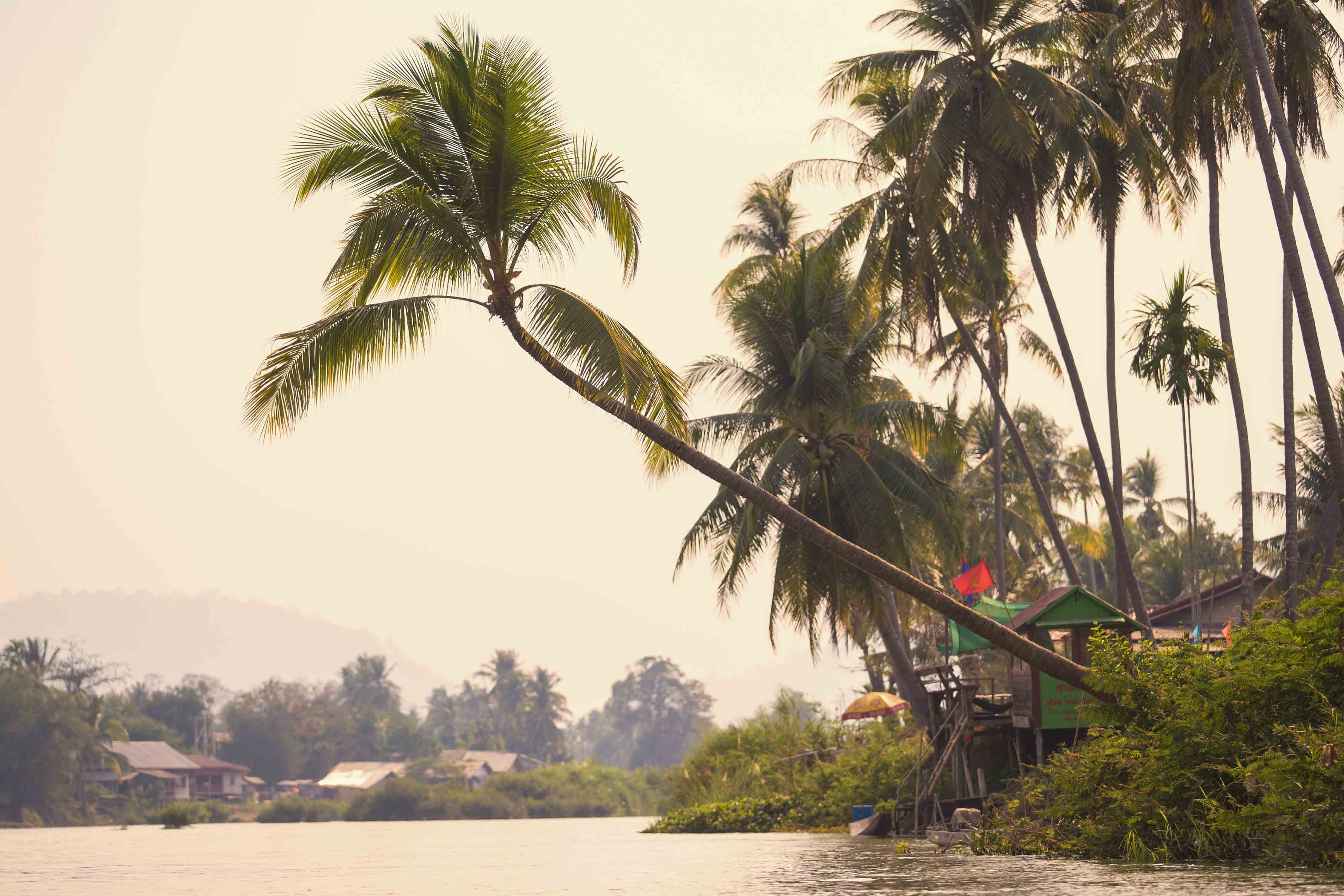
We visited Don Khon and Don Get situated in the south of Laos! This group of islands called 4000 island (because there is 4000 of them) are in the middle of the Mekong river. To get from here from Pakse is only a short 2 hour ride and a small boat ride to the island. These islands are so relaxed and really are a backpackers utopia!
Come with us as we explore both islands on the bicycle. Did we make a mistake visiting in the wet season though ? The answer is YES! We wished we visited in the dry season as you would be able to access the beach and also see the amazing waterfalls better.
We hope you enjoy the video :)
2020年3月12日星期四
The 4000 Islands by Kayak
The 4000 Islands by Kayak

The 4000 Islands in southern Laos, low lying sandy clumps in the Mekong River, are famous for their easy-going pace, banana pancakes, afternoons in hammocks, dolphin-spotting opportunities, wide-sky sunsets, and raucous parties.
I’ve cycled over traces of the old French railway tracks through mango and teak forests, walked the slow loop of sandy trails wriggling through the islands’ small communities, and flitted about from one vestige of French power to another, to bar, to café, and guesthouse many times. I’d never considered taking to the water, though, until now.
The Mekong River can look formidable at times – a fast-flowing wide milk chocolate brown river cut with rocky islands and drowned trees. But a kayaking trip sounded exciting, and with a chance to spot the area’s rare Irrawaddy dolphins, too, I eagerly signed up.
Green Paradise’s kayaking expedition wisely includes free breakfast for its mainly land-lubber clientele. After fuelling up with baguette, egg, and thick Lao coffee at a restaurant on Don Det island, we grabbed life jackets and tucked into our kayaks. Hoping to halve the work of paddling, I jumped into a kayak with our guide, Mr. Sam.
V Patient Mr. Sam spent a good deal of time barking ‘right, right’ as our crew of 21 – Brits, Australians, Dutch, French, and Hungarians – took to the water like ducks, I mean clumsy humans, grappling with kayak balance, water flow, and huge thickets of vegetation that reared up unexpectedly.
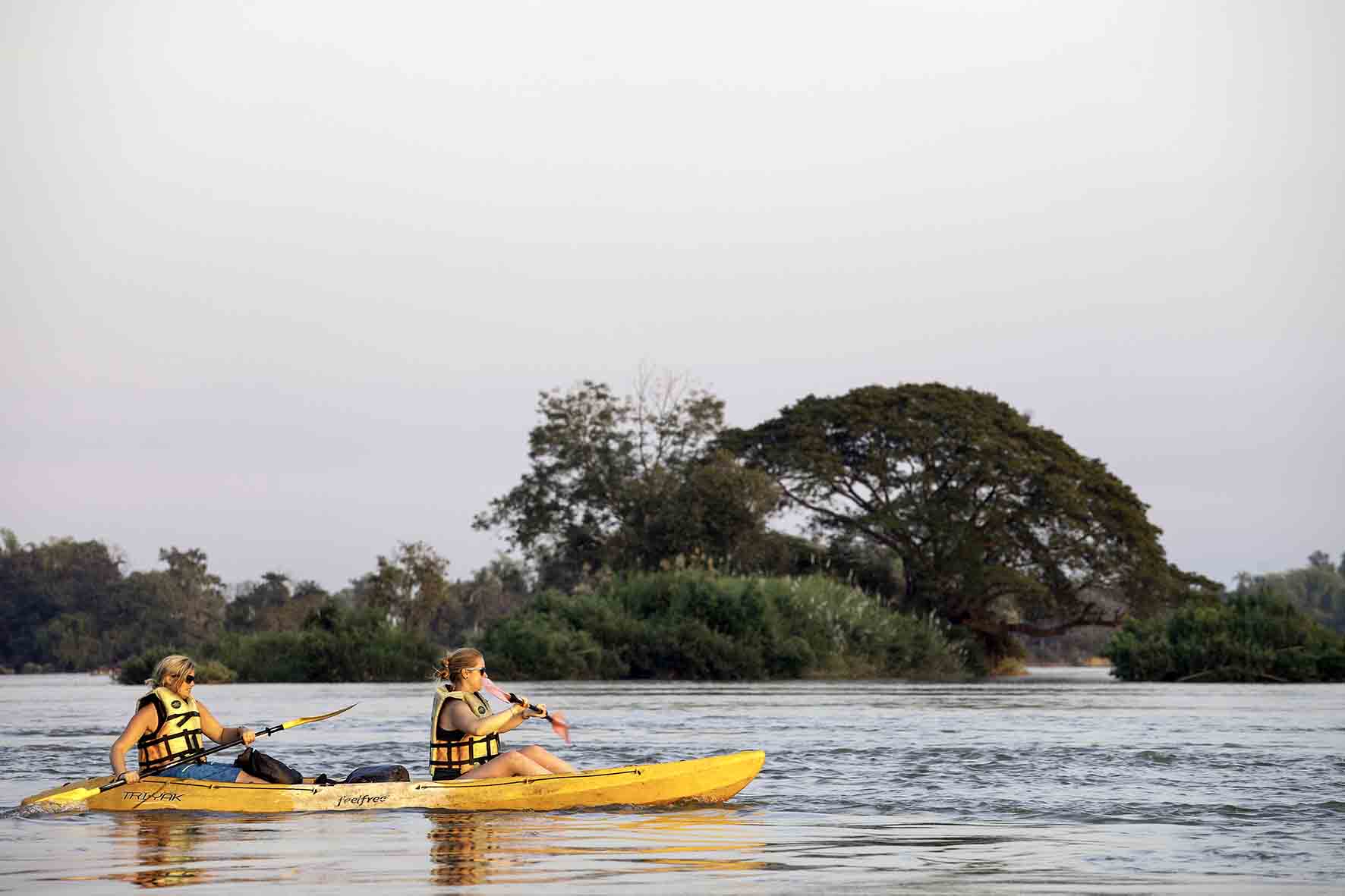
Our first destination was downstream at Don Khone Island’s Pa Soi rapids. Early on we temporarily lost part of the group, one kayak team fell into the river, and one kayak got sucked into a cluster of bushes and became entangled. The heat was unforgiving but we giggled at these mishaps and continued on our journey navigating clumps of trees and mini islands. We parked up just before Pa Soi rapids and walked over a bridge to look at the frothing water below.
The kayaks had been moved beyond Pa Soi Falls to a safe spot; we boarded them again for a journey to the bottom of Khone Island. At Hang Khone village, at the tip of Khone Island, we packed into a longtail boat to head upstream in search of the critically endangered Irrawaddy dolphin. We clambered up the sandy hill of a large island and looked across the stream of the fast-flowing river. The dolphins, their wet skin glistening in the sun, surfaced and ducked as they searched for fish in the food-rich pools. It was thrilling to catch a glimpse of these rare mammals. The WWF reports there’s been a slight increase in their numbers in the Mekong in Cambodia from 80 in 2015 to 92 in 2017 but not in Laos. In the Lao Mekong, there are just three. While munching on a lunch of baguette, chicken, and fried rice we saw all three of them about 30 to 40 times – all fins, snouts, sleek metal-grey bodies gleaming in the strong sun.
Back at Khone Island we fetched our kayaks and headed out downriver to a pickup point on the mainland at Ban Veunkham. The sun was crippling but, like a miracle, there on the riverbank at Ban Veunkham was a stall with a packed icebox. We cleaned it out of Beerlao and Coke before boarding a truck to visit the mother of all waterfalls – the kilometers-wide Khone Phapheng Falls.
At first sight, you can see why it defeated French colonial explorers. It’s a seething, frothing mass of thundering water swirling over sturdy boulders as it fights to enter Cambodia and the lower Mekong. The French found themselves in these parts when they were shoring up claims to the river and their Indochina colonies. The French needed to move gunboats into position to defend new territorial claims but navigating past the raging Khone Phapheng Falls – with its 21-meter drop – had defeated French minds. They built a railway across Khone Island, directly west of the Phapheng Falls, so two gunboats could be hauled across it; the railway infrastructure (some of which we saw at Hang Khone village) was later adapted for commercial traffic with steamboats on the river thrown into the mix. When roads were built in the 1930s the railway fell into disuse. Today, rusty locomotives stand abandoned at the edge of paddy fields, the last tangible remnants of island railway traffic.
After ice cream – more energy – we boarded our kayaks at Nakasang village to paddle downstream and back to Don Det Island. As the rose-pink sun began to set, the light was beautiful, the water appeared like silk, clumps of greenery took on a velvet glow, and fishermen were pootling about in pirogues.
Of course, after so much exercise, we replenished our muscles with more sundowner Beerlao as soon as we clambered back on to dry land!
GETTING THERE
Lao Airlines has daily flights to Pakse from Vientiane, Luang Prabang, and Bangkok. The 4000 Islands are 3 hours south of Pakse by road.
~The Laotian Times~
The 4000 Islands in southern Laos, low lying sandy clumps in the Mekong River, are famous for their easy-going pace, banana pancakes, afternoons in hammocks, dolphin-spotting opportunities, wide-sky sunsets, and raucous parties.
I’ve cycled over traces of the old French railway tracks through mango and teak forests, walked the slow loop of sandy trails wriggling through the islands’ small communities, and flitted about from one vestige of French power to another, to bar, to café, and guesthouse many times. I’d never considered taking to the water, though, until now.
The Mekong River can look formidable at times – a fast-flowing wide milk chocolate brown river cut with rocky islands and drowned trees. But a kayaking trip sounded exciting, and with a chance to spot the area’s rare Irrawaddy dolphins, too, I eagerly signed up.
Green Paradise’s kayaking expedition wisely includes free breakfast for its mainly land-lubber clientele. After fuelling up with baguette, egg, and thick Lao coffee at a restaurant on Don Det island, we grabbed life jackets and tucked into our kayaks. Hoping to halve the work of paddling, I jumped into a kayak with our guide, Mr. Sam.
V Patient Mr. Sam spent a good deal of time barking ‘right, right’ as our crew of 21 – Brits, Australians, Dutch, French, and Hungarians – took to the water like ducks, I mean clumsy humans, grappling with kayak balance, water flow, and huge thickets of vegetation that reared up unexpectedly.
Our first destination was downstream at Don Khone Island’s Pa Soi rapids. Early on we temporarily lost part of the group, one kayak team fell into the river, and one kayak got sucked into a cluster of bushes and became entangled. The heat was unforgiving but we giggled at these mishaps and continued on our journey navigating clumps of trees and mini islands. We parked up just before Pa Soi rapids and walked over a bridge to look at the frothing water below.
The kayaks had been moved beyond Pa Soi Falls to a safe spot; we boarded them again for a journey to the bottom of Khone Island. At Hang Khone village, at the tip of Khone Island, we packed into a longtail boat to head upstream in search of the critically endangered Irrawaddy dolphin. We clambered up the sandy hill of a large island and looked across the stream of the fast-flowing river. The dolphins, their wet skin glistening in the sun, surfaced and ducked as they searched for fish in the food-rich pools. It was thrilling to catch a glimpse of these rare mammals. The WWF reports there’s been a slight increase in their numbers in the Mekong in Cambodia from 80 in 2015 to 92 in 2017 but not in Laos. In the Lao Mekong, there are just three. While munching on a lunch of baguette, chicken, and fried rice we saw all three of them about 30 to 40 times – all fins, snouts, sleek metal-grey bodies gleaming in the strong sun.
Back at Khone Island we fetched our kayaks and headed out downriver to a pickup point on the mainland at Ban Veunkham. The sun was crippling but, like a miracle, there on the riverbank at Ban Veunkham was a stall with a packed icebox. We cleaned it out of Beerlao and Coke before boarding a truck to visit the mother of all waterfalls – the kilometers-wide Khone Phapheng Falls.
At first sight, you can see why it defeated French colonial explorers. It’s a seething, frothing mass of thundering water swirling over sturdy boulders as it fights to enter Cambodia and the lower Mekong. The French found themselves in these parts when they were shoring up claims to the river and their Indochina colonies. The French needed to move gunboats into position to defend new territorial claims but navigating past the raging Khone Phapheng Falls – with its 21-meter drop – had defeated French minds. They built a railway across Khone Island, directly west of the Phapheng Falls, so two gunboats could be hauled across it; the railway infrastructure (some of which we saw at Hang Khone village) was later adapted for commercial traffic with steamboats on the river thrown into the mix. When roads were built in the 1930s the railway fell into disuse. Today, rusty locomotives stand abandoned at the edge of paddy fields, the last tangible remnants of island railway traffic.
After ice cream – more energy – we boarded our kayaks at Nakasang village to paddle downstream and back to Don Det Island. As the rose-pink sun began to set, the light was beautiful, the water appeared like silk, clumps of greenery took on a velvet glow, and fishermen were pootling about in pirogues.
Of course, after so much exercise, we replenished our muscles with more sundowner Beerlao as soon as we clambered back on to dry land!
GETTING THERE
Lao Airlines has daily flights to Pakse from Vientiane, Luang Prabang, and Bangkok. The 4000 Islands are 3 hours south of Pakse by road.
~The Laotian Times~
2019年11月11日星期一
Laos to Offer Free Wi-Fi at Landmarks in Vientiane
Laos to Offer Free Wi-Fi at Landmarks in Vientiane
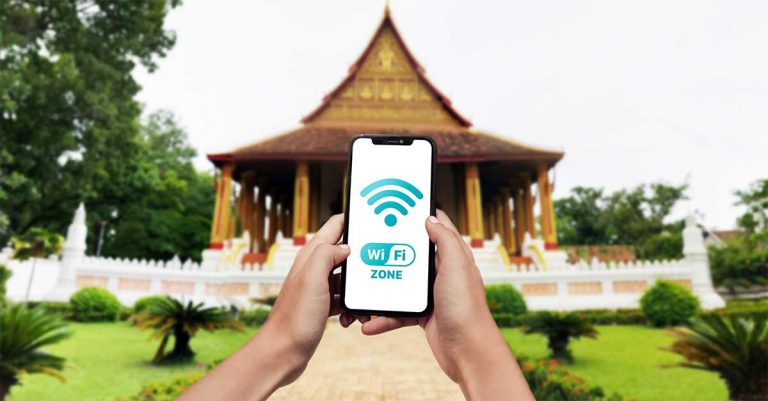
Laos has launched a project to offer free Wi-Fi at landmarks in its capital Vientiane in a move to cater to not only the general public but also foreign visitors.
The project, supported by the Asia-Pacific Telecommunity (APT,) will enable visitors to use the internet at frequently visited locations such as Wattay International Airport, Namphou Fountain, and Hor Phrakeo, said Deputy Minister of Post and Telecommunications, Bounsaleumxay Khennavong, as quoted by Vientiane Times.
APT was founded in 1979 on the joint initiative of the United Nations Economic and Social Commission for Asia, and the Pacific and the International Telecommunication Union.
APT serves as an organization for information and communications technology (ICT) in the region. Laos became a member in 1989.
The free wi-fi project is a part of Laos’s efforts to be in line with the current digital trend and a desire to promote wider access to information.
In Laos, cell phones account for 94 percent of the entire phone network and the mobile internet network reaches 78 percent of all villages, while Internet users make up nearly 40 percent of the population, Mr Bounsaleumxay said.
In particular, the country sees strong growth in social media use, especially Facebook, YouTube, WhatsApp, and WeChat. Among online social media users, 28-38 percent are young people aged 16-24, he added.
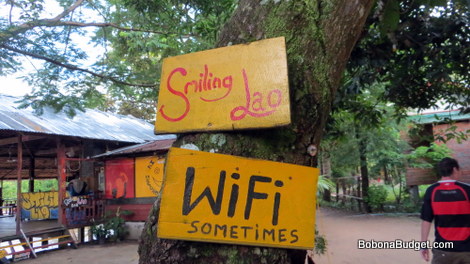
Wi-Fi (sometimes) at the 4,000 islands
Laos attracted more than 4.1 million foreign tourists last year, an 8.2 percent increase from the previous year. Tourism generated revenue of more than USD 755 million in 2018.
Meanwhile, it is expected that at least 4.5 million people will visit Laos this year, generating revenue of more than USD 700 million.
~Laotian Times~
Laos has launched a project to offer free Wi-Fi at landmarks in its capital Vientiane in a move to cater to not only the general public but also foreign visitors.
The project, supported by the Asia-Pacific Telecommunity (APT,) will enable visitors to use the internet at frequently visited locations such as Wattay International Airport, Namphou Fountain, and Hor Phrakeo, said Deputy Minister of Post and Telecommunications, Bounsaleumxay Khennavong, as quoted by Vientiane Times.
APT was founded in 1979 on the joint initiative of the United Nations Economic and Social Commission for Asia, and the Pacific and the International Telecommunication Union.
APT serves as an organization for information and communications technology (ICT) in the region. Laos became a member in 1989.
The free wi-fi project is a part of Laos’s efforts to be in line with the current digital trend and a desire to promote wider access to information.
In Laos, cell phones account for 94 percent of the entire phone network and the mobile internet network reaches 78 percent of all villages, while Internet users make up nearly 40 percent of the population, Mr Bounsaleumxay said.
In particular, the country sees strong growth in social media use, especially Facebook, YouTube, WhatsApp, and WeChat. Among online social media users, 28-38 percent are young people aged 16-24, he added.
Wi-Fi (sometimes) at the 4,000 islands
Laos attracted more than 4.1 million foreign tourists last year, an 8.2 percent increase from the previous year. Tourism generated revenue of more than USD 755 million in 2018.
Meanwhile, it is expected that at least 4.5 million people will visit Laos this year, generating revenue of more than USD 700 million.
~Laotian Times~
2019年2月17日星期日
Sayabouly Elephant Festival
THE ELEPHANT FESTIVAL
Venue: Sayabouly Province
Duration: 20-27 February
As living icon with important symbolic connotations and historical association in Laos the elephants an animal dear to the heart of the Lao people.
The Elephant Festival is celebrated specifically in Xayabouly Province and is held to demonstrate culture and traditional ties between Lao communities and elephants, as well as drawing attention to the endangered status of this charismatic species.
The Elephant Festival is a free, all-ages event with activities including a majestic elephant procession with up to 100 elephants, a traditional elephant Baci ceremony, fruit and flower offerings, monks’ blessing, mahout and elephant show. In addition, there are live performance from Lao and foreign artist, a night market and outdoor elephant museum.
Visitors will have the opportunity to see documentary film on a large outdoor screen and enjoy live performance on the main stage or go for an elephant drive in the neighbouring forest.
Useful Link: http://festival.elefantasia.org
Venue: Sayabouly Province
Duration: 20-27 February
As living icon with important symbolic connotations and historical association in Laos the elephants an animal dear to the heart of the Lao people.
The Elephant Festival is celebrated specifically in Xayabouly Province and is held to demonstrate culture and traditional ties between Lao communities and elephants, as well as drawing attention to the endangered status of this charismatic species.
The Elephant Festival is a free, all-ages event with activities including a majestic elephant procession with up to 100 elephants, a traditional elephant Baci ceremony, fruit and flower offerings, monks’ blessing, mahout and elephant show. In addition, there are live performance from Lao and foreign artist, a night market and outdoor elephant museum.
Visitors will have the opportunity to see documentary film on a large outdoor screen and enjoy live performance on the main stage or go for an elephant drive in the neighbouring forest.
Useful Link: http://festival.elefantasia.org
Tad Soung Waterfall - Salavanh Province
TAD SOUNG WATERFALL
SALAVANH PROVINCE

When many people think of a river’s direction, they assume it flows from north to south. However the Xe Set River originates in the Bolaven Plateau’s north and continues in the same direction to the highland’s edge before plummeting 90 meters off a totally vertical cliff at Tad Soung Waterfall.
Reaching the head of the falls is quite easy; a walk of less than 1 kilometer from Saneum Nai leads to a set of natural stairs descending to Tad Soung. French colonials built a series of ladders along a similar route, but a rockslide destroyed them decades ago.
Though much of the Xe Set’s volume is diverted into turbines to feed power to hydroelectric plants, Tad Soung remains quite spectacular, as does its dramatic yet relaxing perch. A pavilion used by locals sits near the Xe Set’s banks as the river eases down boulders into small pools before reaching a wide, flat rocky floor and Tad Soung’s precipitous edge.
~Courtesy of Laos Simply Beautiful(Facebook)~
SALAVANH PROVINCE

When many people think of a river’s direction, they assume it flows from north to south. However the Xe Set River originates in the Bolaven Plateau’s north and continues in the same direction to the highland’s edge before plummeting 90 meters off a totally vertical cliff at Tad Soung Waterfall.
Reaching the head of the falls is quite easy; a walk of less than 1 kilometer from Saneum Nai leads to a set of natural stairs descending to Tad Soung. French colonials built a series of ladders along a similar route, but a rockslide destroyed them decades ago.
Though much of the Xe Set’s volume is diverted into turbines to feed power to hydroelectric plants, Tad Soung remains quite spectacular, as does its dramatic yet relaxing perch. A pavilion used by locals sits near the Xe Set’s banks as the river eases down boulders into small pools before reaching a wide, flat rocky floor and Tad Soung’s precipitous edge.
~Courtesy of Laos Simply Beautiful(Facebook)~
2019年1月28日星期一
Visit Laos-China Year to begin tomorrow
Visit Laos-China Year to begin tomorrow

VIENTIANE (Vientiane Times/ANN) - Laos and China will launch a major campaign this week to boost tourism cooperation between the two countries throughout 2019.
Officials from the Ministry of Information, Culture and Tourism, Ministry of Foreign Affairs and other agencies met in Vientiane this week to discuss the details of the ceremony to initiate Visit Laos-China Year 2019.
Tourism officials said a number of activities would be held at the National Culture Hall on January 25 to mark the launch of the year-long tourism promotion.
Key activities will include cultural performances and an exhibition of Lao and Chinese tourism products. There will also be films that depict the special attractions of Laos and China.
According to the Ministry of Information, Culture and Tourism, senior government officials from Laos and China will give speeches to officially launch Visit Laos-China Year 2019.
The government has high expectations for the success of the campaign and is hoping for a surge in Chinese visitors. In 2018, more than 805,800 Chinese visited Laos, a 26 percent increase compared to 2017.
This year the government projects that more than 1 million Chinese will visit Laos and is hoping to attract about 4.5 million visitors in total.
Tourism officials said a number of activities have been planned specifically for Chinese tourists. These include a China culture week celebrating 58 years of Laos-China diplomatic relations.
There will also be a mid-autumn festival and Chinese cultural performances in Luang Prabang and Vientiane, while tourism authorities will hold a meeting on Laos-China tourism management in Champassak province.
Hotel and restaurant owners and travel agents have been asked to design products and offer services that match the requirements of Chinese tourists. Some tourist attractions such as Buddha Park in Vientiane will have information brochures written in Chinese. Meanwhile, Bokeo province is holding its annual Kapok Flower Festival (Dok Ngiew Festival) which began yesterday and is being advertised as a tourist attraction. Provinces including Luang Prabang will build more facilities, provide more services, and improve standards at hotels, guesthouses and restaurants.
Chinese will be added to informative signs at popular tourist sites and tourism pamphlets will be written in Chinese as an aid to visitors. Restaurants will give their menus a Chinese twist.
Souvenirs will come with explanations about their significance, and will be attractively packaged, according to the Luang Prabang provincial Information, Culture and Tourism Department.
More than 4.1 million visitors came to Laos in 2018, a 8.2 percent increase compared to 2017. More than 800,000 tourists came from China, an increase of 26 percent, according to the Ministry of Information, Culture and Tourism.

VIENTIANE (Vientiane Times/ANN) - Laos and China will launch a major campaign this week to boost tourism cooperation between the two countries throughout 2019.
Officials from the Ministry of Information, Culture and Tourism, Ministry of Foreign Affairs and other agencies met in Vientiane this week to discuss the details of the ceremony to initiate Visit Laos-China Year 2019.
Tourism officials said a number of activities would be held at the National Culture Hall on January 25 to mark the launch of the year-long tourism promotion.
Key activities will include cultural performances and an exhibition of Lao and Chinese tourism products. There will also be films that depict the special attractions of Laos and China.
According to the Ministry of Information, Culture and Tourism, senior government officials from Laos and China will give speeches to officially launch Visit Laos-China Year 2019.
The government has high expectations for the success of the campaign and is hoping for a surge in Chinese visitors. In 2018, more than 805,800 Chinese visited Laos, a 26 percent increase compared to 2017.
This year the government projects that more than 1 million Chinese will visit Laos and is hoping to attract about 4.5 million visitors in total.
Tourism officials said a number of activities have been planned specifically for Chinese tourists. These include a China culture week celebrating 58 years of Laos-China diplomatic relations.
There will also be a mid-autumn festival and Chinese cultural performances in Luang Prabang and Vientiane, while tourism authorities will hold a meeting on Laos-China tourism management in Champassak province.
Hotel and restaurant owners and travel agents have been asked to design products and offer services that match the requirements of Chinese tourists. Some tourist attractions such as Buddha Park in Vientiane will have information brochures written in Chinese. Meanwhile, Bokeo province is holding its annual Kapok Flower Festival (Dok Ngiew Festival) which began yesterday and is being advertised as a tourist attraction. Provinces including Luang Prabang will build more facilities, provide more services, and improve standards at hotels, guesthouses and restaurants.
Chinese will be added to informative signs at popular tourist sites and tourism pamphlets will be written in Chinese as an aid to visitors. Restaurants will give their menus a Chinese twist.
Souvenirs will come with explanations about their significance, and will be attractively packaged, according to the Luang Prabang provincial Information, Culture and Tourism Department.
More than 4.1 million visitors came to Laos in 2018, a 8.2 percent increase compared to 2017. More than 800,000 tourists came from China, an increase of 26 percent, according to the Ministry of Information, Culture and Tourism.
Khammuan’s Tha Falang creating social media buzz
Khammuan’s Tha Falang creating social media buzz among visitors

KHAMMUAN (Vientiane Times/ANN) - The new Tha Falang development in Khammuan province is receiving lots of interest from domestic and international visitors after numerous pictures of the beautiful site have been shared on social media.
Located on the Nam Don river in Thakhaek district, the site opened last month ahead of this year’s scheduled commencement.
KK Transport and Service Company was authorised by Khammuan province to develop the site, which is located between Thock-Nayor and Songkhone villages.
A Memorandum of Understanding for the project was signed between the provincial Planning and Investment Department and the company in May last year. Company CEO Mr Khambee Lattanavong told Vientiane Times yesterday that Tha Falang was officially opened on December 8 after the company completed some facilities ahead of schedule.
“The facilities are designed to attract Europeans followed by Thai visitors,” he said.
The planned development sees the construction of 20 bungalows near the riverbank and 30 further inland as well as the provision of 100 kayaks for rent. The kayaks can be paddled over a 5km section of the river with motorboats also to be provided along with restaurants, a market, and other facilities.
Mr Khambee said the company was currently operating only some of the activities including 20 picnic huts near the riverbank, rental kayaks, a restaurant, and retail outlet.
He expected to build 20 more huts, and the bungalows will be completed in the next two months.
Kayaks cost 69,000 kip per person to rent or 85,000 kip for two people and 99,000 kip for three. Tubing rental is 20,000 kip and 50,000 kip for hut rental, while entrance and toilets are free of charge.
Tha Falang is currently attracting 100-150 visitors each weekday peaking at 300 on Saturdays and Sundays. Prior to the development, the site attracted only 50-60 people a day for swimming. Most of the visitors so far are Lao and Thai.
Tha Falang is 10 km from the centre of Thakhaek district. Khammuan is located in central Laos and borders Borikhamxay and Savannakhet provinces. Travel by private vehicle to the province takes 4-5 hours from Vientiane.

KHAMMUAN (Vientiane Times/ANN) - The new Tha Falang development in Khammuan province is receiving lots of interest from domestic and international visitors after numerous pictures of the beautiful site have been shared on social media.
Located on the Nam Don river in Thakhaek district, the site opened last month ahead of this year’s scheduled commencement.
KK Transport and Service Company was authorised by Khammuan province to develop the site, which is located between Thock-Nayor and Songkhone villages.
A Memorandum of Understanding for the project was signed between the provincial Planning and Investment Department and the company in May last year. Company CEO Mr Khambee Lattanavong told Vientiane Times yesterday that Tha Falang was officially opened on December 8 after the company completed some facilities ahead of schedule.
“The facilities are designed to attract Europeans followed by Thai visitors,” he said.
The planned development sees the construction of 20 bungalows near the riverbank and 30 further inland as well as the provision of 100 kayaks for rent. The kayaks can be paddled over a 5km section of the river with motorboats also to be provided along with restaurants, a market, and other facilities.
Mr Khambee said the company was currently operating only some of the activities including 20 picnic huts near the riverbank, rental kayaks, a restaurant, and retail outlet.
He expected to build 20 more huts, and the bungalows will be completed in the next two months.
Kayaks cost 69,000 kip per person to rent or 85,000 kip for two people and 99,000 kip for three. Tubing rental is 20,000 kip and 50,000 kip for hut rental, while entrance and toilets are free of charge.
Tha Falang is currently attracting 100-150 visitors each weekday peaking at 300 on Saturdays and Sundays. Prior to the development, the site attracted only 50-60 people a day for swimming. Most of the visitors so far are Lao and Thai.
Tha Falang is 10 km from the centre of Thakhaek district. Khammuan is located in central Laos and borders Borikhamxay and Savannakhet provinces. Travel by private vehicle to the province takes 4-5 hours from Vientiane.
2018年4月13日星期五


2018年3月22日星期四
2018年1月14日星期日
Public park planned for city’s riverside
Public park planned for city’s riverside
Vientiane authorities have agreed to the creation of a green lung for city residents and visitors in the form of a public park along the Mekong River in Sisattanak district.
The 31,500 square metre site is located behind the Don Chan Palace hotel and adjoins Chao Anouvong park.
According to the concession agreement signed on Monday between Vientiane’s Planning and Investment Department and Kolao Resort Company, the company will have a 30 year concession on the site. It is estimated that the park will cost US$10 million to build.
Kolao Group President Dr Khamkhan Naphavong told Vientiane Times on Wednesday “We will start work on the park this month and expect it to officially open in the middle of next year.”
“Under an agreement signed in March 2014, the project consisted only of a parking area, but that changed with the addition of more investment activities and budget with the aim of creating a leisure park. We signed the new agreement on Monday after it was approved by the Vientiane Mayor on January 5.”
“When construction is complete, the park will have a parking area, swimming pool, exercise area, children’s playground, modern food court and shops with facilities designed to attract tourists that will also sell handicrafts,” he said.
“The model has been designed and now we have to make a few adjustments. I hope the park will become another place that is attractive to visitors and provides a space where people can relax,” Dr Khamkhan added.
The Kolao Resort Company is also interested in developing part of Don Chan island next to the current concession site, where they are thinking of building a recreational water park. The company is ready to go ahead with this if the Vientiane authorities approve.
When asked about how the public could help to promote Visit Laos Year, Dr Khamkhan said litter was a major problem in Vientiane and places like Chao Anouvong park needed better management of cleaning.
Given that Vientiane is the capital and should be the flagship of the country’s attractions, with the Mekong riverbank fast becoming a magnet for visitors, the city should do more to roll out a welcome mat for Visit Laos Year, he said.
One of the places that draws visitors to the riverbank is Chao Anouvong park, which is very popular with local residents and people from outside the city.
The park is not only a place where people can go to stroll or exercise as they gaze at the sunset, it also has a bustling night market where people can buy a wide range of items, have a snack or buy a drink as they while away the evening in a relaxed setting.
~News courtesy of Vientiane Times~
Vientiane authorities have agreed to the creation of a green lung for city residents and visitors in the form of a public park along the Mekong River in Sisattanak district.
The 31,500 square metre site is located behind the Don Chan Palace hotel and adjoins Chao Anouvong park.
According to the concession agreement signed on Monday between Vientiane’s Planning and Investment Department and Kolao Resort Company, the company will have a 30 year concession on the site. It is estimated that the park will cost US$10 million to build.
Kolao Group President Dr Khamkhan Naphavong told Vientiane Times on Wednesday “We will start work on the park this month and expect it to officially open in the middle of next year.”
“Under an agreement signed in March 2014, the project consisted only of a parking area, but that changed with the addition of more investment activities and budget with the aim of creating a leisure park. We signed the new agreement on Monday after it was approved by the Vientiane Mayor on January 5.”
“When construction is complete, the park will have a parking area, swimming pool, exercise area, children’s playground, modern food court and shops with facilities designed to attract tourists that will also sell handicrafts,” he said.
“The model has been designed and now we have to make a few adjustments. I hope the park will become another place that is attractive to visitors and provides a space where people can relax,” Dr Khamkhan added.
The Kolao Resort Company is also interested in developing part of Don Chan island next to the current concession site, where they are thinking of building a recreational water park. The company is ready to go ahead with this if the Vientiane authorities approve.
When asked about how the public could help to promote Visit Laos Year, Dr Khamkhan said litter was a major problem in Vientiane and places like Chao Anouvong park needed better management of cleaning.
Given that Vientiane is the capital and should be the flagship of the country’s attractions, with the Mekong riverbank fast becoming a magnet for visitors, the city should do more to roll out a welcome mat for Visit Laos Year, he said.
One of the places that draws visitors to the riverbank is Chao Anouvong park, which is very popular with local residents and people from outside the city.
The park is not only a place where people can go to stroll or exercise as they gaze at the sunset, it also has a bustling night market where people can buy a wide range of items, have a snack or buy a drink as they while away the evening in a relaxed setting.
~News courtesy of Vientiane Times~
2017年11月1日星期三
Laos pins hopes on welcoming 5 million visitors in 2018
Laos pins hopes on welcoming 5 million visitors in 2018
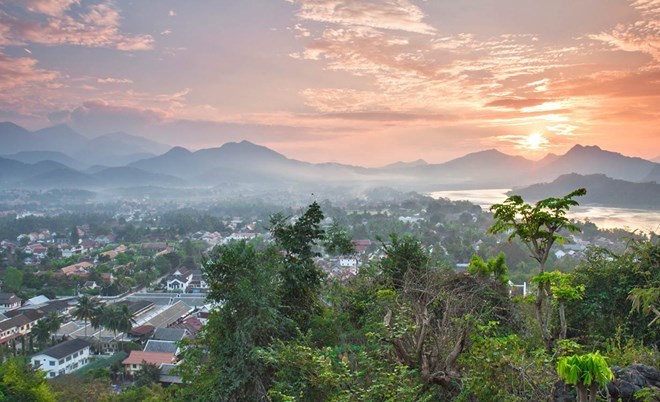
Luang Prabang in Laos (Source: visit-laos.com)
Laos launched a ceremony to initiate it National Tourism Year 2018 in the capital city Vientiane on October 28.
The ceremony was attended by Prime Minister Thongloun Sisoulith, Minister of Information, Culture and Tourism Bosengkham Vongdala, among others.
Minister Bosengkham Vongdala said the country’s tourism development policy has worked productively over the past years.
In 2000, the country greeted only 737,208 visitors and earned revenues of 113.9 million USD. In 2015, the figures were 4,684,429 visitors and 725.4 million USD.
It is estimated that the number of tourists to the country will hit over 6.2 million who bring in revenues of over 993.4 million USD by 2020.
The Lao Government has set to attract around 5 million tourists and reaped earnings of 900 million USD for 2018.
The National Tourism Year 2018 will focus on explorations of the country’s history, nature, and cultural value preservation and promotion.
The Vientiane event will be followed by a series of activities to be held at Laos’s embassies in Europe, Asia and other countries around the world alongside traditional festivals in localities across Laos.
Tourism is regarded as the economic spearhead sector, which has received a lot of priorities from the Government.
The Lao Government viewed that tourism development will enable it to expand cooperation with other countries.
~Courtesy of Vientiane Times~
Luang Prabang in Laos (Source: visit-laos.com)
Laos launched a ceremony to initiate it National Tourism Year 2018 in the capital city Vientiane on October 28.
The ceremony was attended by Prime Minister Thongloun Sisoulith, Minister of Information, Culture and Tourism Bosengkham Vongdala, among others.
Minister Bosengkham Vongdala said the country’s tourism development policy has worked productively over the past years.
In 2000, the country greeted only 737,208 visitors and earned revenues of 113.9 million USD. In 2015, the figures were 4,684,429 visitors and 725.4 million USD.
It is estimated that the number of tourists to the country will hit over 6.2 million who bring in revenues of over 993.4 million USD by 2020.
The Lao Government has set to attract around 5 million tourists and reaped earnings of 900 million USD for 2018.
The National Tourism Year 2018 will focus on explorations of the country’s history, nature, and cultural value preservation and promotion.
The Vientiane event will be followed by a series of activities to be held at Laos’s embassies in Europe, Asia and other countries around the world alongside traditional festivals in localities across Laos.
Tourism is regarded as the economic spearhead sector, which has received a lot of priorities from the Government.
The Lao Government viewed that tourism development will enable it to expand cooperation with other countries.
~Courtesy of Vientiane Times~
2017年9月19日星期二
Top 5 things to do in Luang Prabang, Laos
Top 5 things to do in Luang Prabang, Laos
In between Vietnam and Thailand, Laos is lesser-known and lesser-discovered, but no less interesting than its pair of famous neighbours.
As a long thin country that also touches China to the north and Cambodia to the south, the landscape varies wildly; from thickly-forested areas to more tropical surrounds with plunging waterfalls and thousands of islands.

No trip to this country would be complete without a couple of days in former royal capital, Luang Prabang, so beautifully preserved that it became a UNESCO World Heritage Site in 1995.
Make sure you’re camera-ready as you take it all in; there’s a photo opportunity around every magical corner. Gilded temples with sloping roofs gleam in the sunshine, faded French colonial villas line the streets, and the rolling mountains and the Mekong and Nam Khan rivers lay just beyond the town.
Everything ticks over at a leisurely pace, substituting the frenetic energy of nearby countries for a laid-back calm.
Most visitors only spare two or three days here, so it’s important to have a plan. There are more than a few ways to make the best of it.
1. Take an architecture tour
With a combination of traditional Buddhist temples (bathed in gold leaf), traditional stilted houses, and French colonial architecture around every corner, a trip to Luang Prabang is an architecture tour in itself.
But team up with an expert to get the stories behind these fascinating streets, and track the evolution of the town; from its ancient conception, through the colonial and royal eras, and right up to the present day.

2. Take a cycling tour
Why not see the sights atop two wheels? A bike gives you the freedom (and time) to see the best of the town, venture into the countryside and feel the wind in your hair – often a welcome treat in the humid months.

Wheel from place to place; the Wat Visoun, National Museum (previously the Royal Palace), the Wat Mai Temple and Wat Xieng Thong are all worth a visit.
Then leave the town behind to see the landscape just outside. Hop down to potter around the Phosy Market and see great pails with mountains of rice, a rainbow of fresh fruit and vegetables on offer, and bottles of fresh fruit juice to fuel your onward journey.
Visit non-profit organisations, chat to local villagers and peer over the waters of the Mekong. Certainly more than you could manage on foot.
3. Celebrate Songkran
To see an especially authentic side to Luang Prabang, visit in April during Songkran (Pi Mai Lao), Lao New Year. Celebrations take place across the country, with a lot of water-based events.
It’s a special time when the community, along with swathes of orange-robed monks, come together. The most important Buddha statues are carried through the streets, and Buddha images, temples and houses are washed down.
As are people! Find yourself doused in an enthusiastic water fight, or even the recipient of a bucket of water over your head – a good-humoured way of saying Happy New Year.
4. Take a cookery class
Lao cuisine is an unknown entity to many outsiders. It’s actually quite similar to some dishes in northeastern Thailand, and incorporates lots of fresh produce.
Any cookery class in Luang Prabang is likely to begin with a trip to the market to personally pick out your ingredients, and learn about a few of the area’s more unusual herbs, fruits and vegetables.
Work with skilled local chefs, discover the authentic methods that go into this delicious cuisine, and take your new found cookery skills home with you.

5. Walk to the top of Mount Phousi at sunrise or sunset
For panoramic views of the town and the lush areas in the distance, pay an nominal fee and take a gentle climb up the steps to Mount Phousi.
Spot the meandering Nam Kham and Mekong rivers, as well as the undulating horizon. You can rest your feet at one of the interesting temples or outside a Buddha statue along the way, but at only 100km high, it’s not a strenuous ascent. Plan your trip at sunrise or sunset when the views are at their most beautiful.

~Courtesy of a luxury travel blog~
In between Vietnam and Thailand, Laos is lesser-known and lesser-discovered, but no less interesting than its pair of famous neighbours.
As a long thin country that also touches China to the north and Cambodia to the south, the landscape varies wildly; from thickly-forested areas to more tropical surrounds with plunging waterfalls and thousands of islands.

No trip to this country would be complete without a couple of days in former royal capital, Luang Prabang, so beautifully preserved that it became a UNESCO World Heritage Site in 1995.
Make sure you’re camera-ready as you take it all in; there’s a photo opportunity around every magical corner. Gilded temples with sloping roofs gleam in the sunshine, faded French colonial villas line the streets, and the rolling mountains and the Mekong and Nam Khan rivers lay just beyond the town.
Everything ticks over at a leisurely pace, substituting the frenetic energy of nearby countries for a laid-back calm.
Most visitors only spare two or three days here, so it’s important to have a plan. There are more than a few ways to make the best of it.
1. Take an architecture tour
With a combination of traditional Buddhist temples (bathed in gold leaf), traditional stilted houses, and French colonial architecture around every corner, a trip to Luang Prabang is an architecture tour in itself.
But team up with an expert to get the stories behind these fascinating streets, and track the evolution of the town; from its ancient conception, through the colonial and royal eras, and right up to the present day.

2. Take a cycling tour
Why not see the sights atop two wheels? A bike gives you the freedom (and time) to see the best of the town, venture into the countryside and feel the wind in your hair – often a welcome treat in the humid months.

Wheel from place to place; the Wat Visoun, National Museum (previously the Royal Palace), the Wat Mai Temple and Wat Xieng Thong are all worth a visit.
Then leave the town behind to see the landscape just outside. Hop down to potter around the Phosy Market and see great pails with mountains of rice, a rainbow of fresh fruit and vegetables on offer, and bottles of fresh fruit juice to fuel your onward journey.
Visit non-profit organisations, chat to local villagers and peer over the waters of the Mekong. Certainly more than you could manage on foot.
3. Celebrate Songkran
To see an especially authentic side to Luang Prabang, visit in April during Songkran (Pi Mai Lao), Lao New Year. Celebrations take place across the country, with a lot of water-based events.
It’s a special time when the community, along with swathes of orange-robed monks, come together. The most important Buddha statues are carried through the streets, and Buddha images, temples and houses are washed down.
As are people! Find yourself doused in an enthusiastic water fight, or even the recipient of a bucket of water over your head – a good-humoured way of saying Happy New Year.
4. Take a cookery class
Lao cuisine is an unknown entity to many outsiders. It’s actually quite similar to some dishes in northeastern Thailand, and incorporates lots of fresh produce.
Any cookery class in Luang Prabang is likely to begin with a trip to the market to personally pick out your ingredients, and learn about a few of the area’s more unusual herbs, fruits and vegetables.
Work with skilled local chefs, discover the authentic methods that go into this delicious cuisine, and take your new found cookery skills home with you.

5. Walk to the top of Mount Phousi at sunrise or sunset
For panoramic views of the town and the lush areas in the distance, pay an nominal fee and take a gentle climb up the steps to Mount Phousi.
Spot the meandering Nam Kham and Mekong rivers, as well as the undulating horizon. You can rest your feet at one of the interesting temples or outside a Buddha statue along the way, but at only 100km high, it’s not a strenuous ascent. Plan your trip at sunrise or sunset when the views are at their most beautiful.

~Courtesy of a luxury travel blog~
订阅:
博文 (Atom)